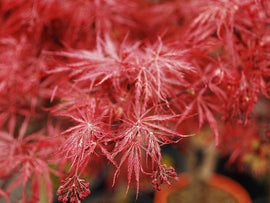


Japanese Maple Care Guide for South African Gardens
Japanese Maples (Acer palmatum) are among the most elegant and rewarding trees you can grow - and with the right approach, they thrive beautifully in South African gardens. Whether you're in the cool highveld of Gauteng, the misty foothills of the Western Cape, or the KwaZulu-Natal midlands, this guide will help you grow healthy, stunning Japanese Maples year after year.
Are Japanese Maples Suited to South Africa's Climate?
The short answer is yes - in the right regions. Japanese Maples are deciduous trees that require a period of winter dormancy with cold temperatures to perform at their best. They do particularly well in:
- Gauteng and the Highveld - Cool winters and warm summers suit most cultivars well. Afternoon shade is beneficial during the hottest summer months.
- Western Cape (Winelands, Overberg, and surrounds) - The Mediterranean-style climate is excellent for Japanese Maples, especially in areas with cold winters.
- KwaZulu-Natal Midlands - The altitude and cooler temperatures make this region ideal.
- Eastern Cape Highlands - Similar to the Highveld, these areas provide the cold winters Japanese Maples need.
Coastal and subtropical regions (like Durban's beachfront or the Lowveld) are generally too warm and humid for most cultivars. If you're in a marginal area, container growing allows you to move your tree to a more sheltered spot during extreme heat.
Choosing the Right Position
Japanese Maples prefer dappled or morning sun with afternoon shade, especially in South Africa's intense summer heat. A position that receives 4-6 hours of direct sun in the morning, with shade from around 1pm onwards, is ideal.
Avoid:
- Full afternoon western sun, which can scorch delicate leaves
- Frost pockets where cold air settles - while maples need cold, late spring frosts can damage new growth
- Exposed, windy positions that dry out the foliage
Soil Requirements
Japanese Maples thrive in well-draining, slightly acidic soil with a pH of 5.5–6.5. South African soils vary widely, so it's worth testing and amending yours before planting.
- Sandy soils (common in the Western Cape): Improve water retention by adding generous amounts of compost and a quality potting mix.
- Clay soils (common in Gauteng): Improve drainage by incorporating coarse river sand and compost. Raised beds or mounds work well.
- Loam soils: Generally ideal with minimal amendment.
Always incorporate a good layer of compost into the planting hole, and mulch heavily around the base of the tree to retain moisture and regulate soil temperature.
Watering
Consistent moisture is key - Japanese Maples dislike both drought and waterlogging. During the growing season (spring through autumn), water deeply and regularly, allowing the top few centimetres of soil to dry slightly between waterings.
Tips for South African conditions:
- Water in the early morning to reduce evaporation
- Apply a 5–8cm layer of organic mulch (bark chips, straw, or compost) around the base, keeping it away from the trunk
- During Highveld summers, you may need to water every 2–3 days during heat waves
- Reduce watering significantly during winter dormancy, but never allow the roots to dry out completely
Container-grown maples need more frequent watering - check the soil daily in summer.
Fertilising
Feed your Japanese Maple with a slow-release, balanced fertiliser in early spring as new growth emerges. Avoid high-nitrogen fertilisers, which promote excessive leafy growth at the expense of the tree's structure and autumn colour.
- Spring: Apply a slow-release granular fertiliser (e.g., 3:1:5 or similar balanced formula)
- Midsummer: A light application of a low-nitrogen liquid fertiliser can support healthy growth
- Autumn/Winter: Do not fertilise - the tree needs to harden off and enter dormancy naturally
Avoid over-fertilising, which can cause leaf burn and weaken the tree over time.
Pruning
Japanese Maples require minimal pruning and look most beautiful when allowed to develop their natural form. The best time to prune is late winter to early spring, just before new growth begins, or in midsummer when the tree is in full leaf and you can see the structure clearly.
- Remove any dead, damaged, or crossing branches
- Thin the canopy lightly to improve airflow and light penetration
- Never remove more than 20% of the canopy in a single season
- Always use clean, sharp secateurs or pruning saws to avoid tearing the bark
Avoid pruning in autumn when the tree is preparing for dormancy, or in early spring when sap is actively rising, as this can cause excessive "bleeding."
Common Problems in South African Gardens
Leaf scorch: Brown, crispy leaf edges are usually caused by too much direct afternoon sun, dry winds, or inconsistent watering. Move container plants to a shadier spot and increase mulching.
Root rot: Caused by waterlogged soil. Ensure excellent drainage and avoid overwatering.
Aphids: Common in spring on new growth. Treat with a gentle insecticidal soap spray or a strong jet of water.
Verticillium wilt: A fungal disease that causes sudden wilting and dieback. There is no cure - remove and destroy affected branches and avoid replanting in the same spot.
Ready to start your Japanese Maple journey? Browse our full range of Japanese Maple cultivars - from compact patio varieties to statement garden trees.